
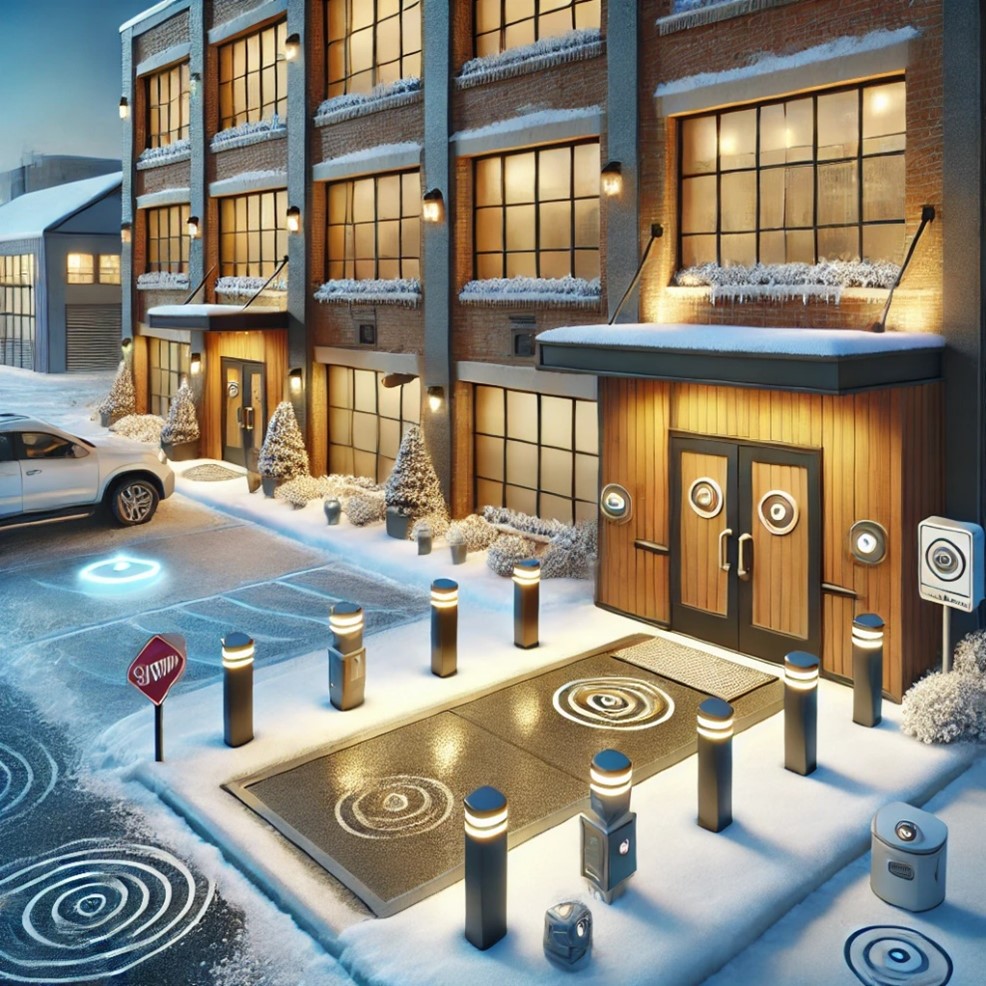
Winter brings its unique set of challenges for commercial properties, from cold winds and icy pathways to snow and freezing rain. For property owners and managers, it’s essential to take steps that ensure safe access during the season. Harsh winter weather can increase the risks of lock failures, frozen entrances, and potential security threats, all of which can impact both safety and business operations.
In this guide, we walk you through the critical steps to prepare your commercial property for the winter months, ensuring both secure access and the continued safety of employees and clients.
1. Check and Service All Entry Points
One of the first steps in winter-proofing your property is ensuring that all entry points are in good working order. Locks, doors, and handles can wear out over time, and winter weather can amplify any weaknesses.
- Inspect Locks: Examine all locks on doors, windows, and access points. Look for signs of rust, difficulty in turning, or any jamming. Winter’s colder temperatures can make faulty locks worse, increasing the chances of lockouts.
- Upgrade to Weather-Resistant Locks: If you find any locks that appear rusty or are frequently sticking, consider upgrading to weather-resistant locks. High-quality locks made from durable materials such as stainless steel can withstand colder temperatures without freezing or rusting.
- Check for Drafts and Leaks: Winter weather can be hard on both property and locks. Check for drafts around doors and windows that can let in cold air and moisture, which can increase the risk of locks freezing or becoming difficult to use.
2. Prevent Frozen Locks
Cold weather can cause locks to freeze, making it difficult to open doors and creating delays. This is especially frustrating for businesses that require easy access to meet clients, accept deliveries, or open on time each morning.
- Apply Lubricant to Locks: Using a lubricant designed for locks can help prevent them from freezing in cold temperatures. Avoid water-based lubricants as these can freeze in low temperatures. Instead, use a graphite or silicone-based spray for lasting protection.
- Consider Anti-Freeze Solutions for Keyholes: In particularly cold climates, you might want to apply a special anti-freeze solution to your locks. This can help prevent ice build-up in the keyholes, which could make them inoperable.
- Install Keyless Entry Systems: Another way to avoid frozen locks is by investing in a keyless entry system. Smart locks and electronic keypads don’t rely on traditional keys, reducing the risk of lockouts due to frozen keyholes.
3. Winterise Exterior Doors and Entrances
Exterior doors face constant exposure to the elements, and over time, moisture, ice, and snow can weaken them. Taking preventive measures now can save costly repairs later.
- Install Weather Stripping: Adding weather stripping around doors can help keep the cold and moisture out, protecting the locks and making it easier to keep your property warm. Weather stripping also improves energy efficiency, reducing heating costs.
- Check Door Closers and Hinges: Doors that don’t close properly or have worn hinges are more prone to winter damage. Ensure door closers are working correctly to prevent slamming caused by wind and hinges are lubricated to prevent squeaking or sticking.
- Inspect Thresholds and Sweepers: Gaps under doors can allow snow, water, and cold air inside. Ensure thresholds and door sweeps are properly installed and in good condition to keep the weather out and the warmth in.
4. Enhance Security for Early Nightfall
During the winter, days are shorter, and darkness falls earlier. This extended period of night-time hours increases the risk of security breaches. Proper lighting and security measures can go a long way in maintaining safety.
- Install Motion-Sensor Lighting: Motion-sensor lighting around entrances and parking areas deters potential intruders and improves visibility for employees and clients. Ensure all lights are properly positioned and regularly maintained.
- Review Security Camera Placement: If your commercial property has CCTV, make sure cameras are strategically placed near all access points. Winter weather, particularly snow or fog, can reduce visibility, so check that cameras have a clear line of sight.
- Upgrade Locks and Security Systems: For added security, consider upgrading to smart locks or electronic access control systems. These systems allow you to monitor access remotely, control who can enter, and lock doors automatically if needed.
5. Prepare for Power Outages
Power outages are common in winter, and they can be particularly problematic for properties relying on electronic security measures. Preparing for such eventualities ensures that your property remains secure and accessible even during a blackout.
- Backup Power for Security Systems: Make sure all electronic security systems, including cameras, alarms, and smart locks, are connected to a backup power source. A generator or uninterruptible power supply (UPS) can keep these essential systems running during outages.
- Manual Overrides for Electric Locks: If you use electric or smart locks, it’s essential to have a manual override in case of a power outage. Consult with your locksmith to ensure there’s a secure backup option that can still be accessed if power is lost.
- Battery-Powered Entry Systems: Many modern access systems come with battery backups. Check battery levels before winter sets in, and keep spare batteries on hand for emergencies.
6. Maintain Safe, Accessible Pathways
In winter, the paths leading to entrances can become slippery or blocked by snow, making them hazardous. Clearing these pathways is essential for both accessibility and safety.
- Clear Snow and Ice Regularly: Establish a schedule for removing snow and ice from walkways, entrances, and parking areas. This reduces the chance of accidents and makes accessing your property easier for employees and clients.
- Apply Grit or Salt: Using grit or salt on pathways helps to prevent ice build-up and ensures better traction. Be mindful of applying it around locks or sensitive equipment, as salt can cause metal corrosion.
- Install Anti-Slip Mats at Entrances: Anti-slip mats provide extra traction at entrances, reducing the risk of slips and falls. Make sure mats are checked and maintained throughout winter.
7. Schedule Regular Maintenance and Inspections
Finally, regular maintenance and inspections are crucial for keeping your commercial property in good shape through the winter months.
- Routine Locksmith Check-ups: Schedule a locksmith visit to inspect locks, doors, and security systems before winter. They can identify potential issues and make necessary adjustments, ensuring smooth operation through the colder months.
- Door and Lock Maintenance Plans: Many locksmiths offer maintenance plans for commercial properties, providing regular check-ups and minor repairs. This proactive approach can save you from costly lockouts or emergencies later.
- Test All Security Systems: Run through your security systems, checking everything from alarms to access controls. Winter weather can be hard on electronics, so ensure all systems are in peak condition.
Final Thoughts
Winter preparation is about more than just comfort – it’s essential for the safety and security of your commercial property. By taking steps to winter-proof locks, entrances, and security systems, you reduce the risk of malfunctions and ensure that everyone can access your property safely. For commercial property owners, this not only protects physical assets but also contributes to a smooth business operation.
RJ Parker Locksmiths are here to help with all your winter-proofing needs. From installing weather-resistant locks to advising on general winter security, our expert team can help keep your commercial property secure and accessible, no matter how harsh the winter weather. Reach out today to arrange a winter check-up and ensure your property is prepared for the months ahead.